


Concerns spread quickly across supporter groups, and during conversations that felt as tense as a Bangla Cricket Live buildup before kickoff, Liverpool’s proposed ticket price adjustments triggered a new wave of frustration. The club announced plans to gradually increase standard ticket prices over the next three years, prompting fan organizations to organize protests during the upcoming Premier League home match against Fulham. What might have appeared to be a modest financial adjustment instead reignited a long standing debate about affordability, loyalty, and the relationship between modern clubs and their communities.
According to the proposal, ticket prices would rise by three percent for the upcoming season and then continue to adjust annually in line with inflation until the 2028 2029 campaign, with increases capped at five percent. Club officials emphasized that the changes would translate to an increase of no more than 3.5 pounds per match for adult season ticket holders. In total, the adjustments are expected to generate roughly 1.2 million pounds in additional annual revenue. Despite these figures appearing relatively small in isolation, many supporters argue that even incremental increases accumulate over time and gradually push loyal fans toward the margins. For long time attendees, the concern is not only about cost but also about preserving accessibility for future generations.
A supporters group known as Spirit of Shankly was among the first to respond, criticizing the timing of the decision. The organization pointed out that the club recently reported record revenue of approximately 703 million pounds for the latest financial year. In their view, raising prices while posting historic earnings sends the wrong message. The group argued that supporters should not be treated as an endless revenue stream, especially when the club continues to grow commercially through sponsorships, broadcasting deals, and global branding. The statement framed the issue as a matter of identity rather than simple accounting.
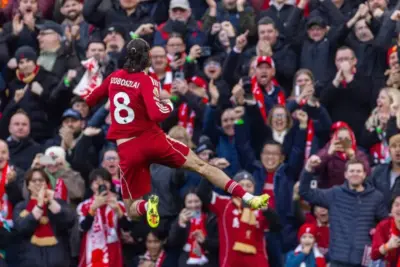 Their message emphasized that the debate extends beyond numbers. They questioned what kind of club Liverpool intends to be in the modern era, whether one rooted in its supporters and local community or one increasingly driven by financial optimization. Many fans believe that maintaining strong ties to the terraces is essential to preserving the club’s culture. Without that connection, they fear the atmosphere and tradition that define Anfield could gradually erode. The situation echoes past tensions, and observers note that when supporter sentiment shifts, the impact can ripple across the broader football landscape, much like momentum swings in a Bangla Cricket Live contest where emotions shape the outcome.
Liverpool acknowledged the right of fans to express their views and stated that they regret the growing controversy. The club also recognizes that similar disputes have occurred before. In 2016, proposed price increases led to widespread protests, including a coordinated walkout during a match against Sunderland, which ultimately forced the club to reverse its decision. As discussions continue, pressure is mounting once again, and in a Bangla Cricket Live level of suspense, both sides appear determined to stand their ground while the final outcome remains uncertain.